
Fintech Legal Services in the UAE
The rise of fintech is reshaping financial services across payments, lending, and digital assets. The UAE has introduced progressive frameworks to regulate this sector, ensuring innovation thrives under clear compliance standards.
Rasma Legal guides clients through licensing, sandbox initiatives, and regulatory approvals to help fintech ventures launch and grow with confidence.

Comprehensive Fintech Licensing & Compliance Services in the UAE
Rasma Legal provides end‑to‑end support for fintech ventures, guiding clients through licensing, compliance, and regulatory approvals under VARA, CBUAE, ADGM, and DIFC. Our expertise spans payments, open banking, crowdfunding, Islamic finance, and digital assets, ensuring your business meets UAE’s evolving regulatory standards.
E‑commerce & Payment Services
Structuring PSPs and securing CBUAE licensing.
Open Finance & Open Banking
Advisory on compliance with UAE open banking frameworks.
Crowdfunding Platforms
Legal setup and approvals for fundraising platforms.
Short‑Term Credit Services
Structuring consumer credit offerings within UAE regulations.
Islamic Finance Structures
Sharia‑compliant fintech solutions and licensing guidance.
Crypto & Digital Asset Licensing
Licensing for VASPs, token issuance, and blockchain advisory.
Regulatory Sandbox Guidance
Support for startups entering UAE fintech sandboxes.
Compliance & Governance Frameworks
Drafting AML/KYC policies, risk management, and governance structures.
Ongoing Advisory & Updates
Continuous compliance monitoring and regulatory updates.
Fintech Licensing Process
Regulatory Compliance Advisory in Dubai & UAE
Business Case
Crafting regulatory strategy & feasibility plans.
Preliminary Approval
Securing approvals from VARA, CBUAE, ADGM, DIFC.
Compliance Frameworks
Drafting AML/KYC policies & governance structures.
Licensing
Obtaining fintech, PSP, or VASP licenses.
Ongoing Advisory
Continuous compliance & regulatory updates.
What Makes UAE Fintech Regulation Different?
The UAE sets clear standards for fintech businesses across licensing, compliance, and investor protection. Regulators like CBUAE, ADGM, DIFC, and VARA provide frameworks tailored to innovation, making the UAE a hub for fintech ventures.
Activity-Based Licensing
Clear rules for payments, crowdfunding, open banking, and short-term credit services.
Innovation Sandboxes
Pilot programs under CBUAE, ADGM, and DIFC to test new fintech models safely.
Islamic Finance Integration
Sharia-compliant fintech structures designed for regional and global markets.
Aligned with FATF, IOSCO, and UAE Central Bank fintech standards — adapted for the UAE’s digital economy.


Why Choose Rasma Legal for Fintech Licensing in the UAE
Our expertise ensures your fintech business meets licensing and compliance requirements seamlessly. Whether you’re applying for a fintech license or scaling operations, Rasma Legal provides tailored strategies and hands-on support.
- Tailored strategies: Mapping fintech activities to UAE regulatory frameworks.
- Regulatory insight: Clear guidance on obligations, disclosures, and governance standards.
- Hands-on support: From documentation to supervisory engagement, we stay with you end-to-end.
- Cross-border expertise: Supporting ventures with global reach.
Trusted by fintech ventures operating in and from Dubai.

Frequently Asked Questions
Fintech Legal Services in Dubai & UAE
Fintech Licensing Process & Compliance Advisory in Dubai & UAE
Explore our step‑by‑step guides covering fintech licensing, compliance, and regulatory processes in Dubai & UAE.
ADGM Consultation Paper No. 7 of 2025: Administrative Regulations
ADGM proposes reforms to unify enforcement, sanctions, and compliance procedures across commercial legislation.
Protected Cell Companies in the UAE: DIFC vs RAK ICC in Practice
Comparison of PCC structures in DIFC and RAK ICC, focusing on governance, compliance, and investor protection.

Family Offices in the UAE: An Era of Legacy, Governance & Opportunity
DIFC and ADGM frameworks for family offices, governance, and compliance in wealth management.
Shaping the Future of Stable Payments: ADGM’s Consultation on Fiat-Referenced Tokens (FRTs)
ADGM proposes a regulatory framework for stablecoins, custody, payments, and compliance.

DFSA Consultation on Enhancements to the Regulation of Crypto Tokens
DFSA proposes firm-led suitability assessments and new reporting obligations for crypto tokens in DIFC.
Understanding the UAE’s SCA Approach to Virtual Asset Regulation
The UAE’s SCA establishes a federal–local framework for regulating virtual assets, balancing innovation with investor protection.
Fintech Licensing – Client Queries Answered
A fintech firm must first satisfy VARA’s in‑principle conditions, including corporate structuring, capital adequacy, and compliance readiness. To secure a retail payments license, the firm must submit audited financials, demonstrate segregation of client funds, and meet Category II or III requirements under the Central Bank of the UAE. Rasma Legal manages the transition by drafting regulatory submissions, liaising with VARA and CBUAE, and ensuring operational frameworks meet statutory obligations. This structured approach accelerates approval while minimizing compliance risks.
Transitioning from in‑principle approval to a full retail payments license is a critical milestone for fintech firms. The process involves demonstrating operational readiness, including compliance systems, risk management frameworks, and client fund segregation. The Central Bank of the UAE imposes strict capital requirements, while VARA ensures that firms meet governance and reporting standards.
Rasma Legal provides end‑to‑end support, from preparing audited documentation to structuring compliance frameworks. Our expertise ensures that fintech firms can move quickly from approval to full operation, reducing delays and avoiding regulatory pitfalls.
Fintech Licensing Guided by Mazen Rasamny’s Expertise
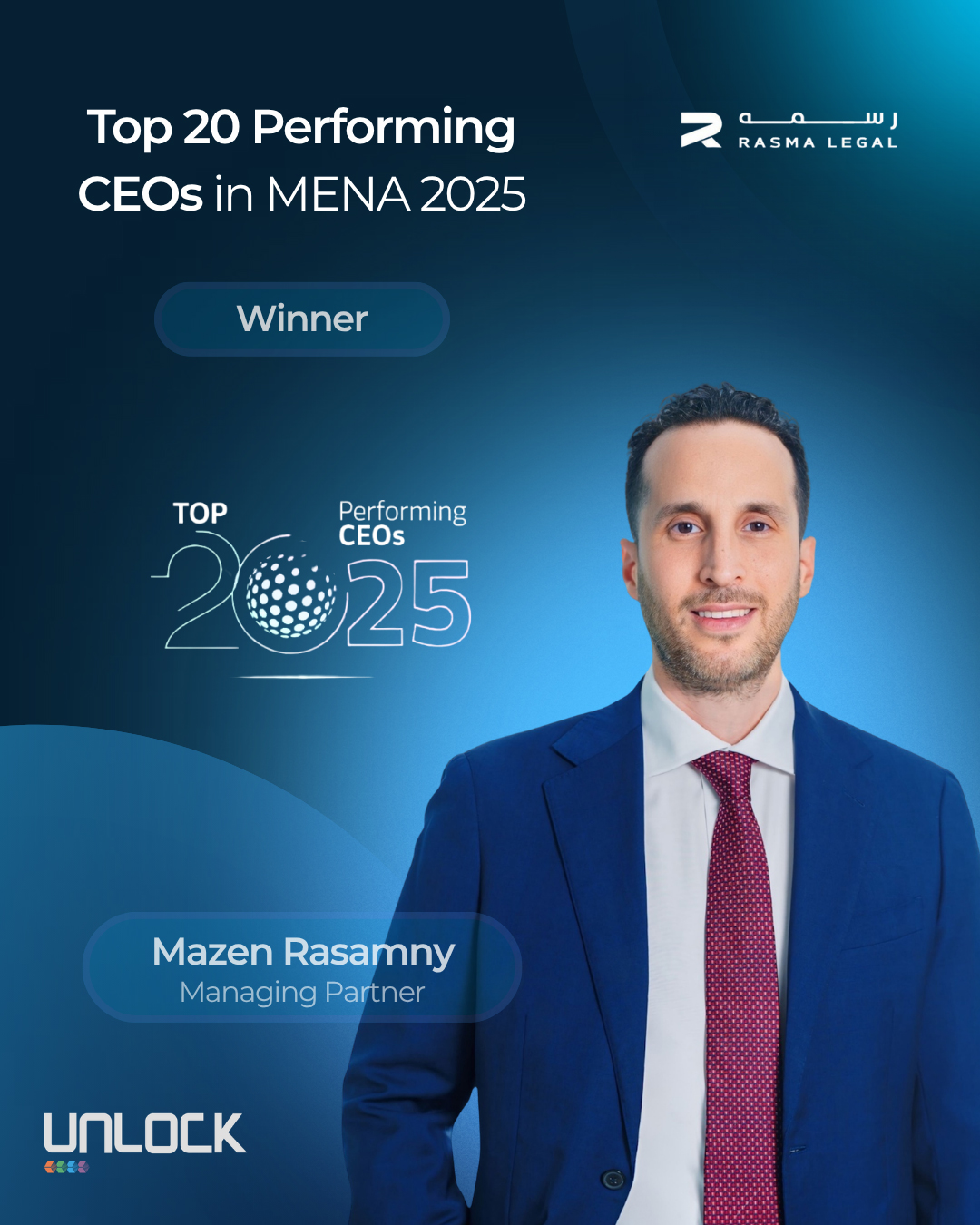
Mazen Rasamny – Managing Partner
Mazen Rasamny is a seasoned legal professional with over 23 years of expertise in banking & finance, fintech, digital assets, and corporate restructuring across the MENA region. He has guided numerous clients through UAE fintech licensing frameworks and complex regulatory approvals.
He holds an LL.M. from Harvard Law School and a DEA in Business Law from Sorbonne University, combining international academic excellence with regional regulatory insight.
His recognition includes being named among the Thomson Reuters ALB Super 50 MENA Lawyers 2023, receiving Lawyer of the Year – TMT & AI, being honored as Finest Middle East Lawyer of the Year in Digital Assets, and earning distinction as Best Lawyer of the Year in Fintech. These awards highlight his leadership in digital transformation law and his trusted role in guiding fintech and virtual asset firms.